Revamping the onboarding experience
Reducing merchant drop-off by 19% for 500k+ users by transforming complex regulatory requirements into a fast, guided experience.
About Geidea
Geidea is a leading Middle Eastern fintech providing smart POS terminals and digital payment gateways that help over 500k+ merchants accept payments and manage their business from a single platform.
www.geidea.comIdentifying Pain Points
Through a heuristic evaluation, team workshops, and user interviews, I uncovered three key areas where merchants faced the most friction during onboarding.A simplified flow showing the key steps merchants went through before reaching their dashboard and starting to receive payments.
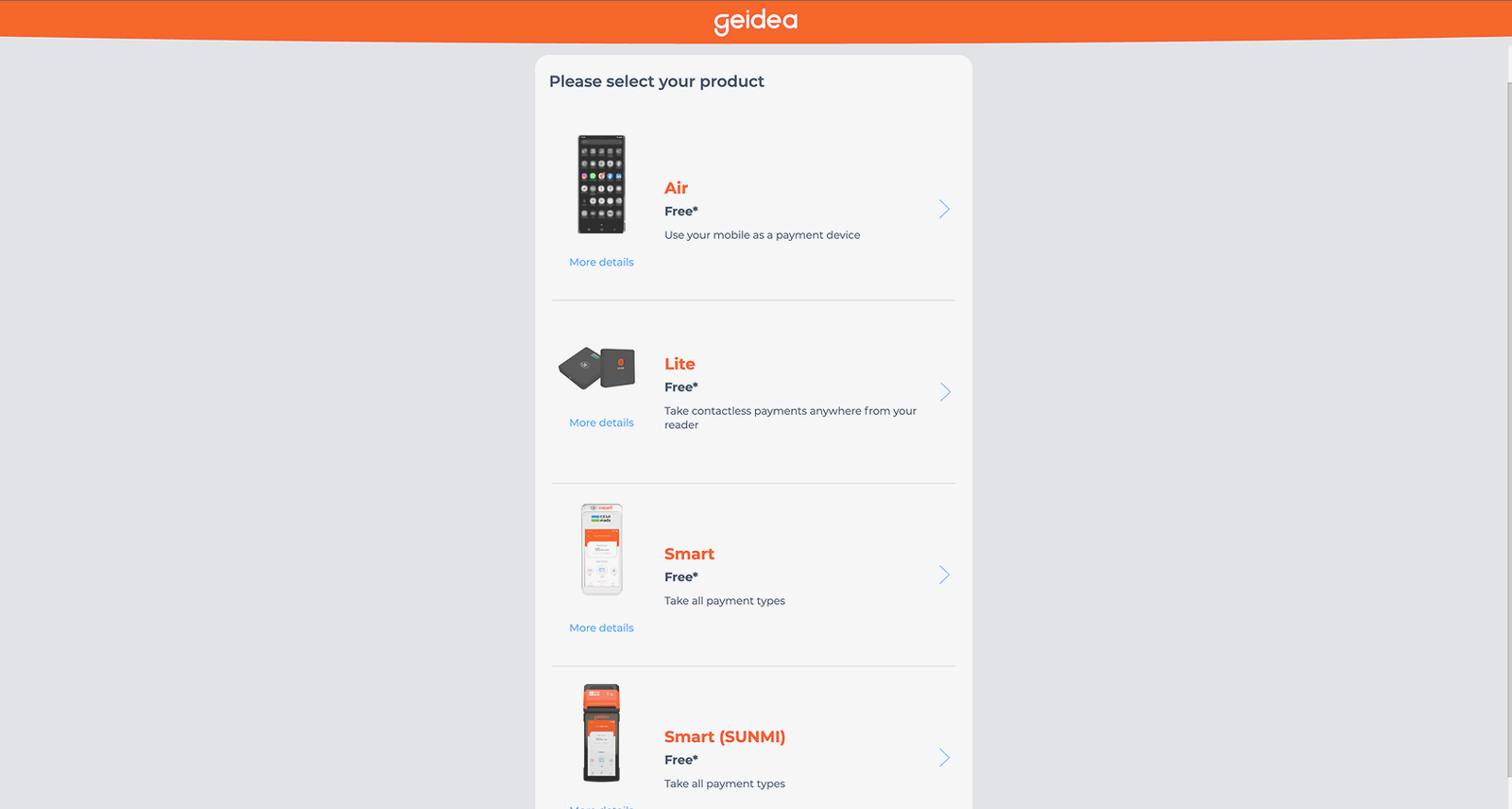
Previous product selection screen
For many new users, this was one of the points where momentum slowed. Choosing between products felt like guesswork — there wasn’t enough context to help them feel confident in their decision. Some reached out to support, others simply gave up. Across the onboarding flow, these moments of uncertainty added up to around 40% of users dropping off before finishing setup, delaying how soon they could start accepting payments.
A simplified view of the previous onboarding process, showing how many steps users had to go through before accessing their dashboard.
Key Findings
Internal audits and user analytics identified three critical friction points that directly stalled merchant growth.
Ambiguous Product Tiering
New merchants weren’t sure which product fit their needs. Similar names and descriptions caused hesitation.
Lack of Feedback Loops
Users didn’t know what happened next or when verification would finish. The process lacked progress feedback.
Operational Drain
Without in-product guidance, merchants often contacted support for clarification, slowing onboarding and increasing workload.
User Interface
The interface makes onboarding simple and self-guided. Each screen helps merchants complete setup quickly from product selection to payouts with clear actions and consistent layouts that guide them to their first transaction faster.
Getting Started
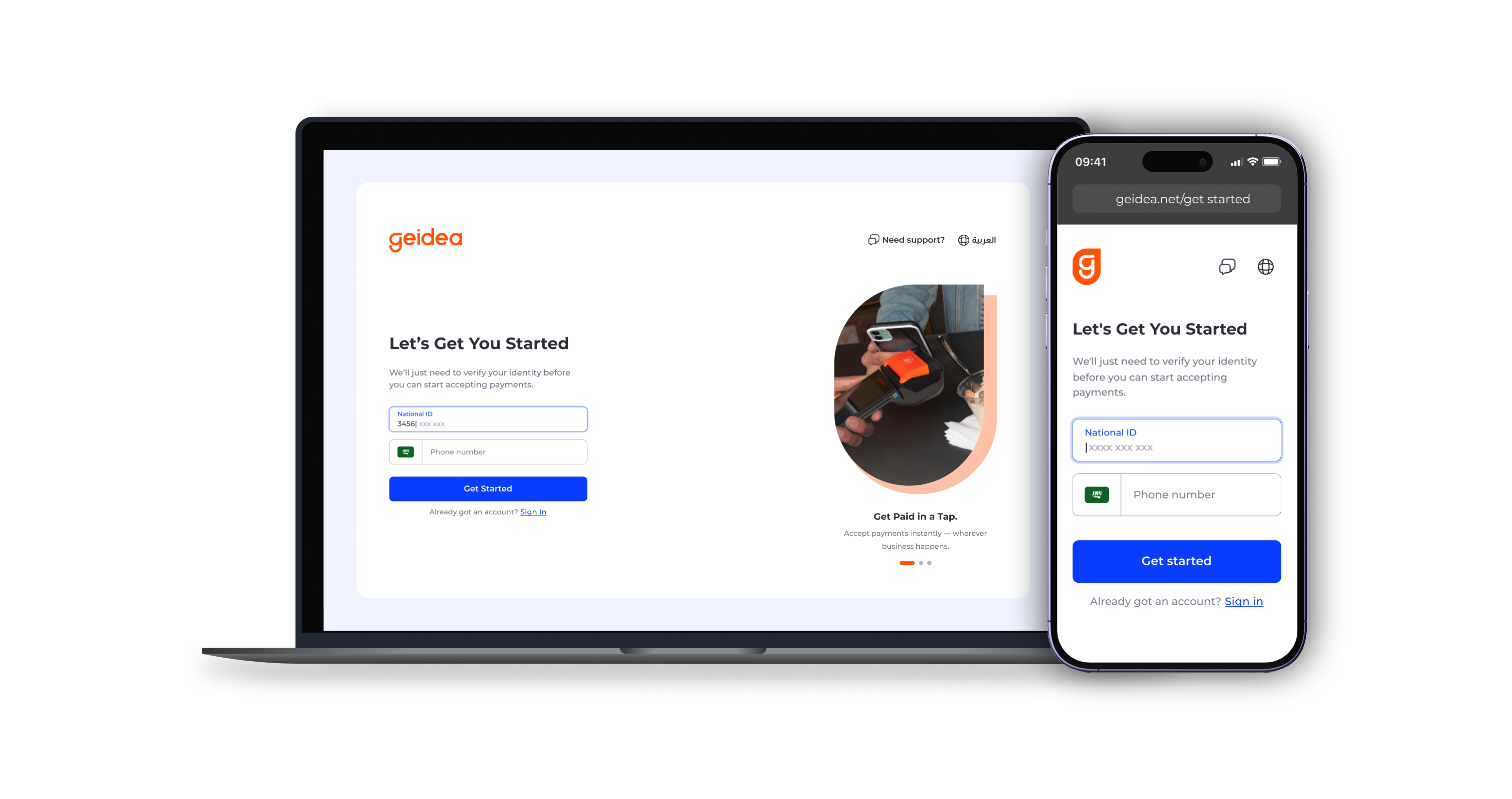
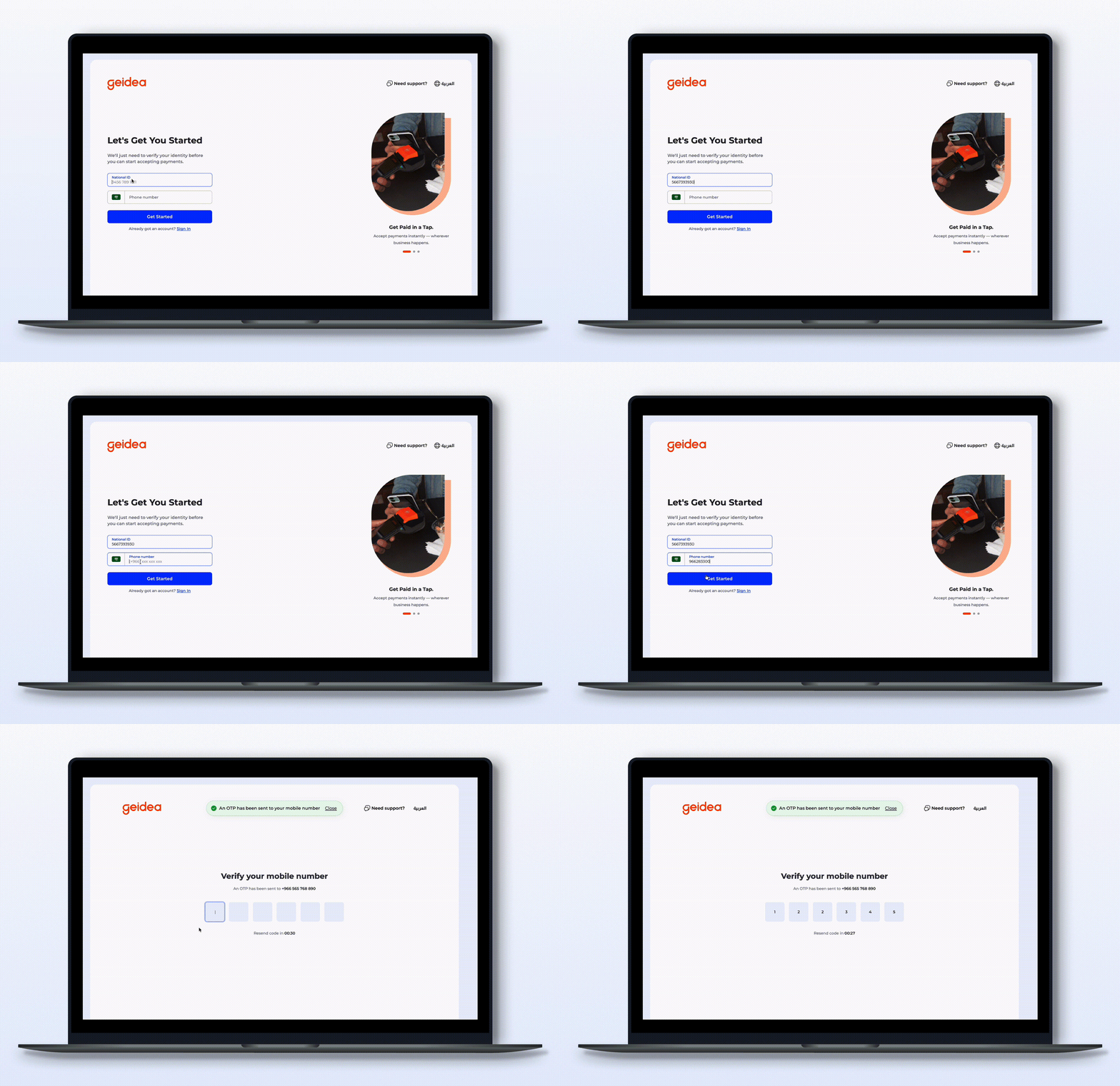
Early confusion was replaced with a clear first step quick identity verification that sets the tone for a smoother onboarding experience.
Identity Check
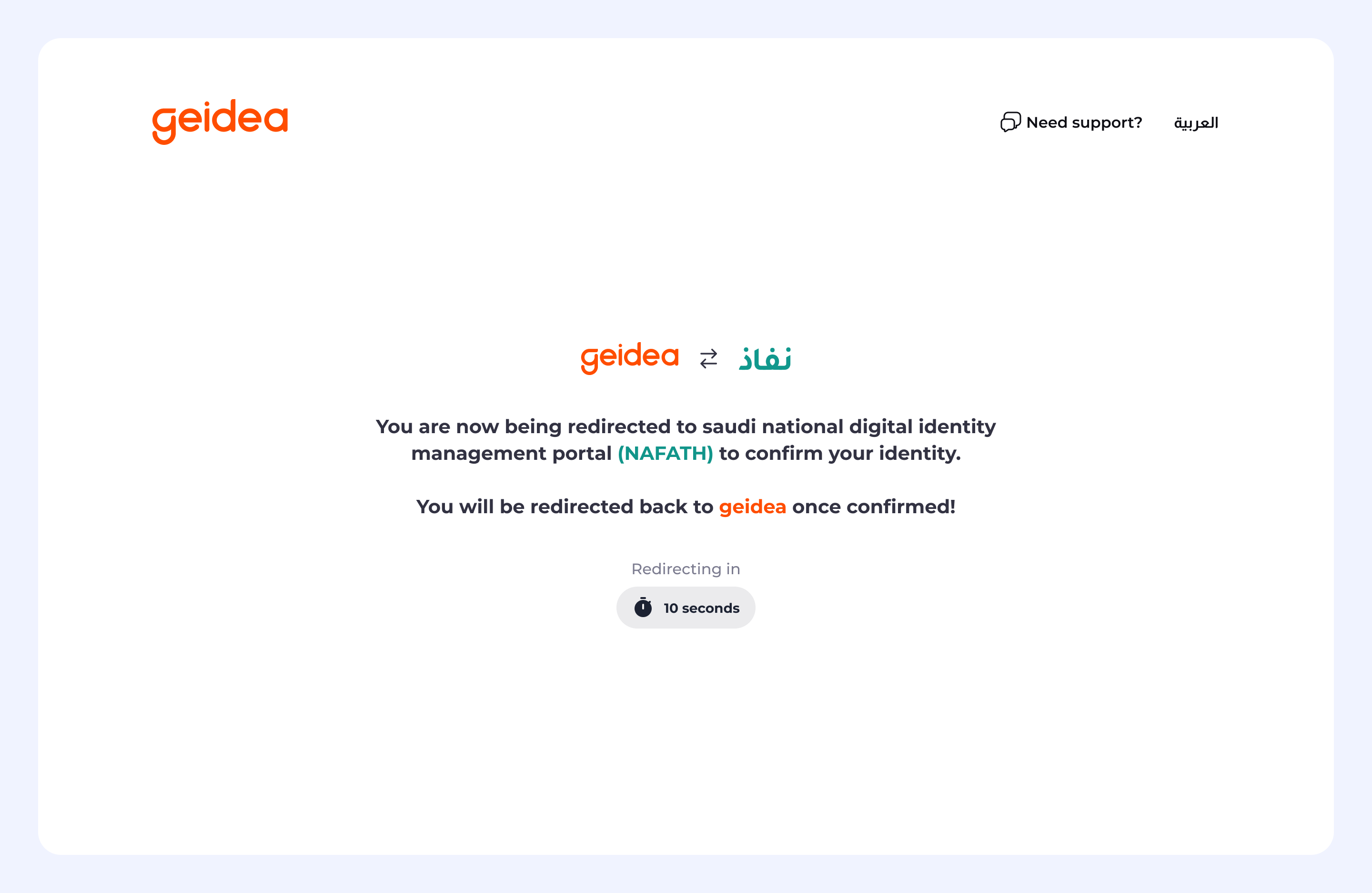
Integrated Nafath verification ensures users confirm their identity quickly without breaking the onboarding flow.
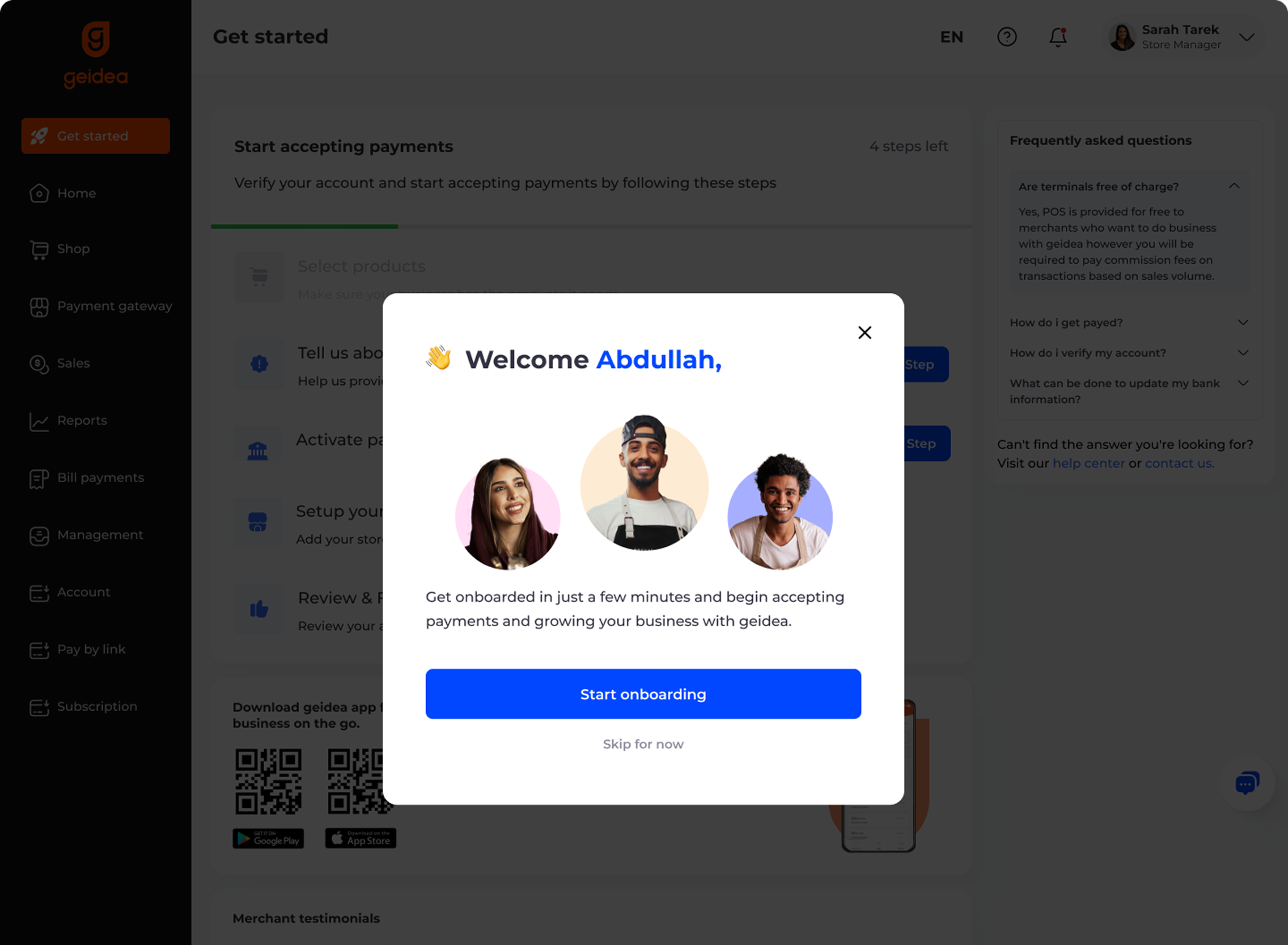
Welcome Onboard
After a quick verification, users land on a friendly start screen that helps them begin onboarding smoothly and with clarity.
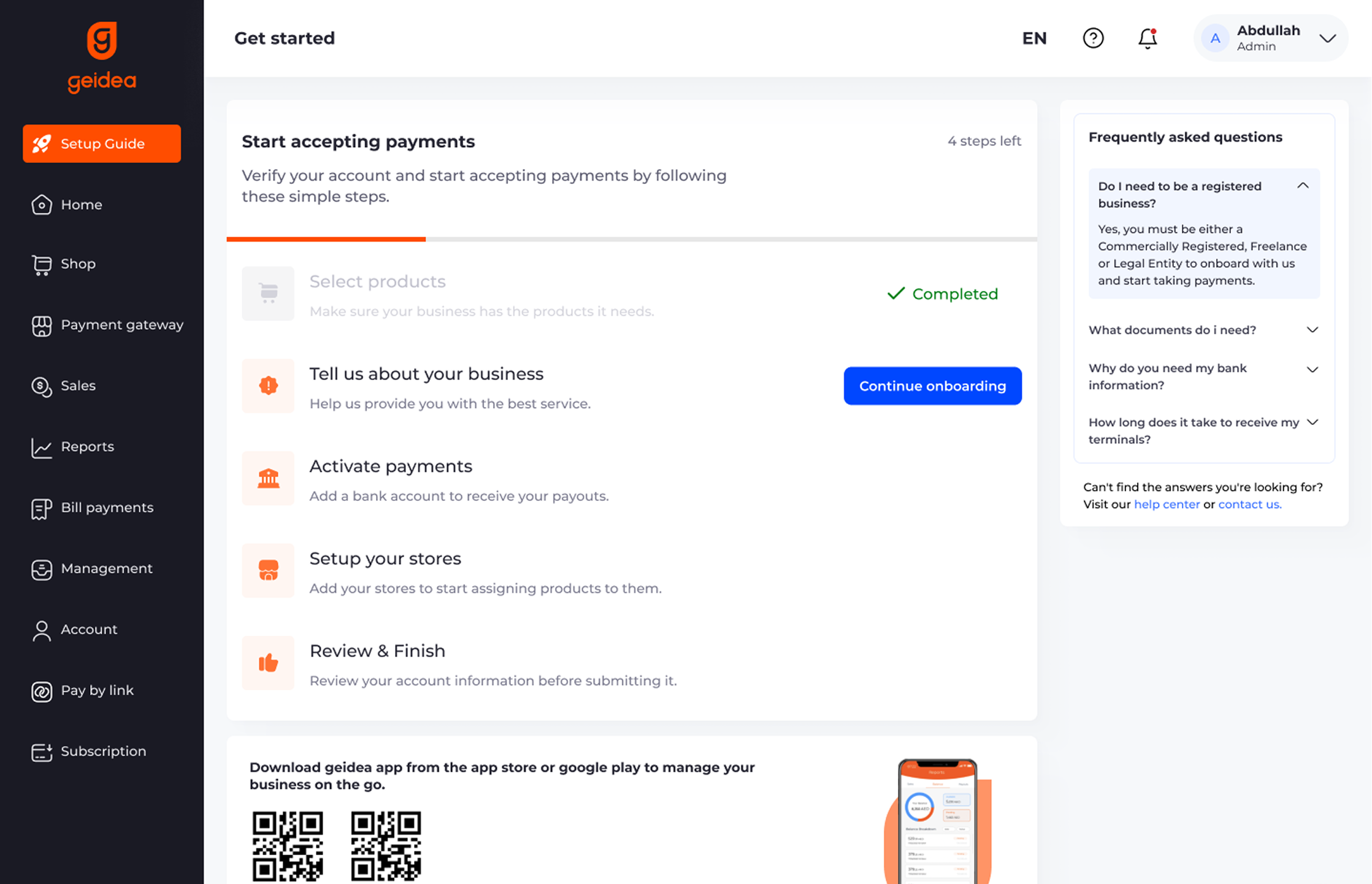
Onboarding Dashboard
Merchants get a clear, self-guided experience that shows progress at every step from setup to first payout.
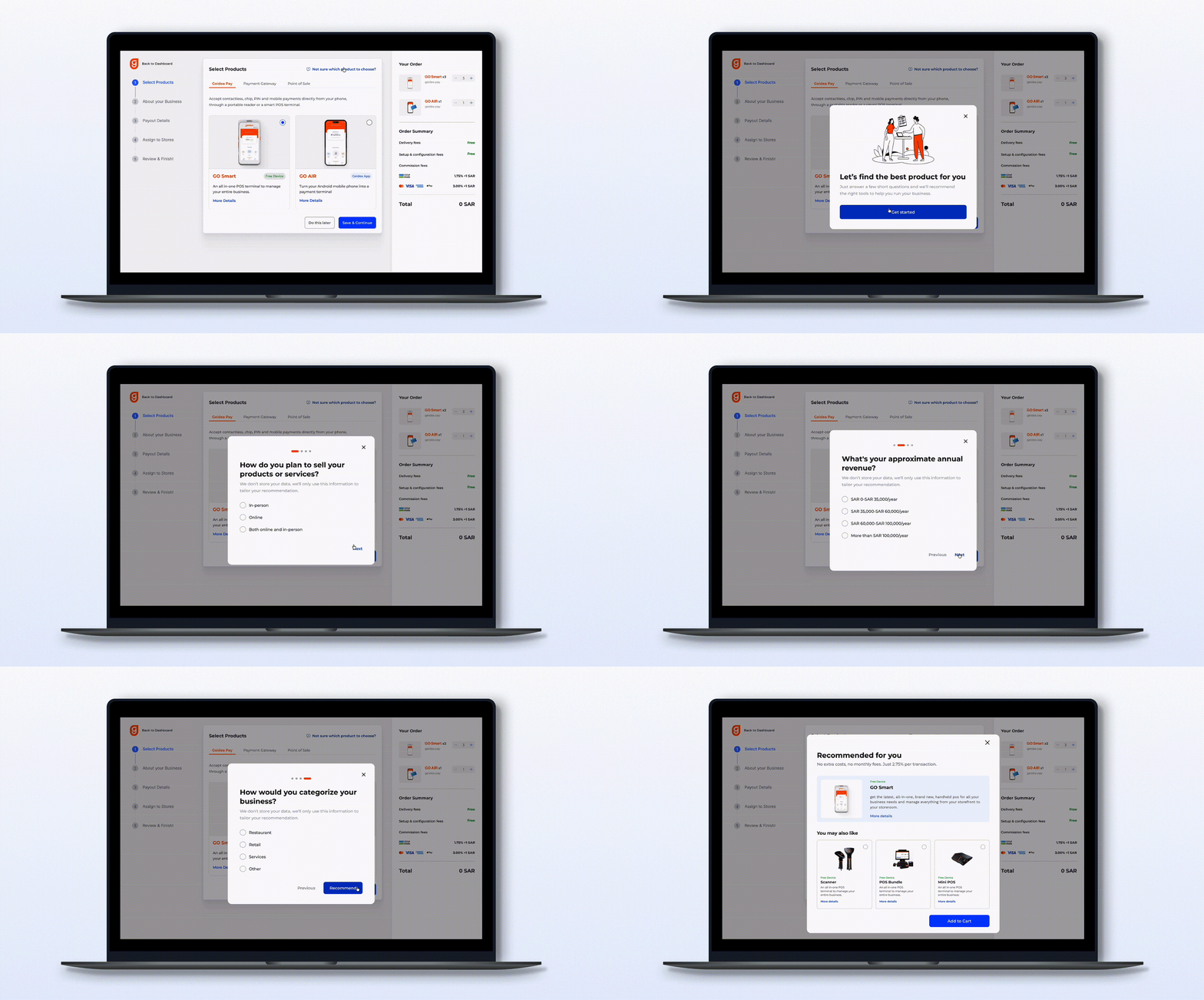
Product Selection
Merchants can easily browse and compare products to find what suits their business best. If they’re unsure, a quick questionnaire recommends the most suitable option to get them started.
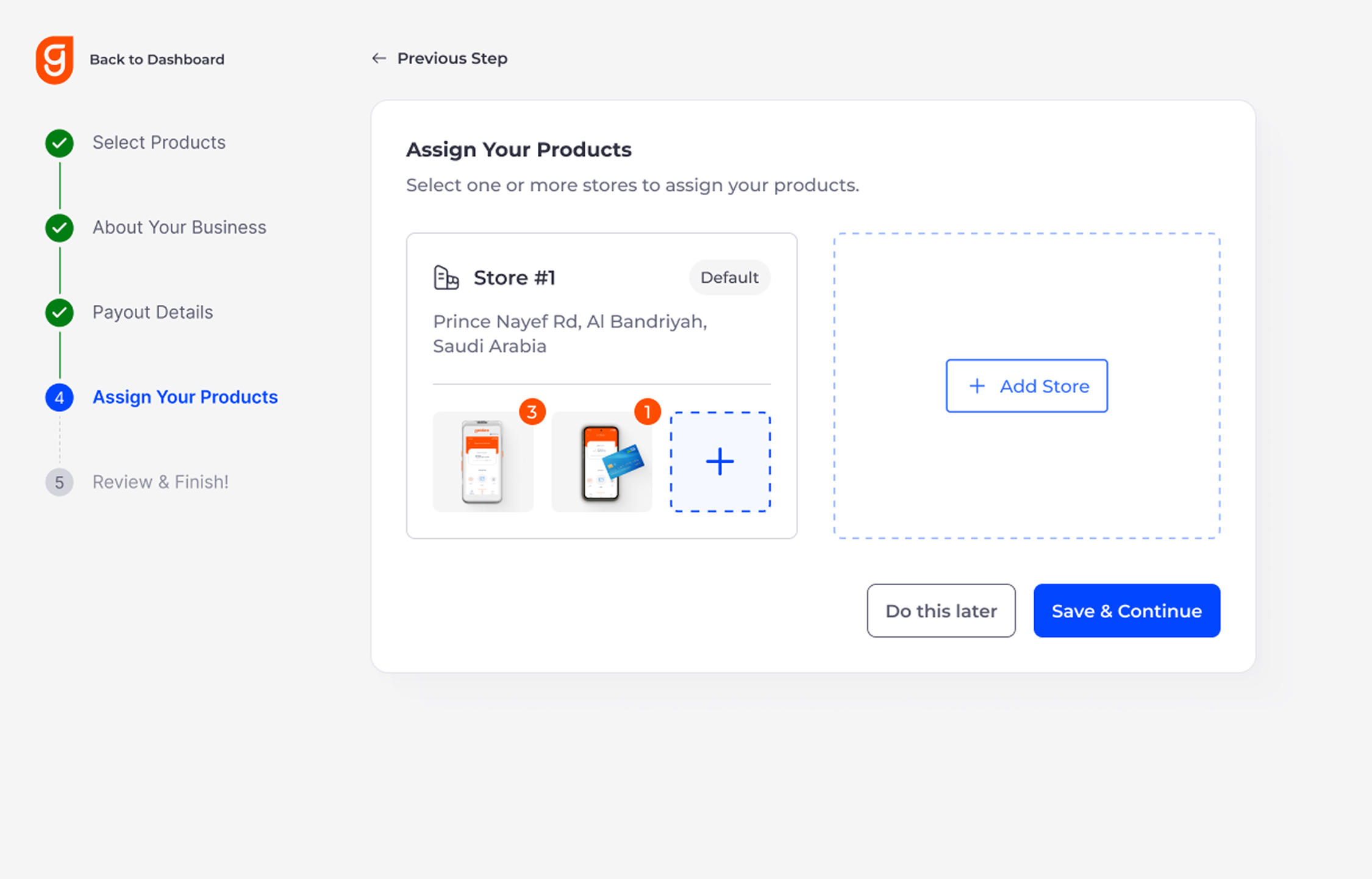
Assign to Store
Merchants can now easily assign their selected products to specific stores making setup faster and more organized for multi-location businesses.
Mobile Experience
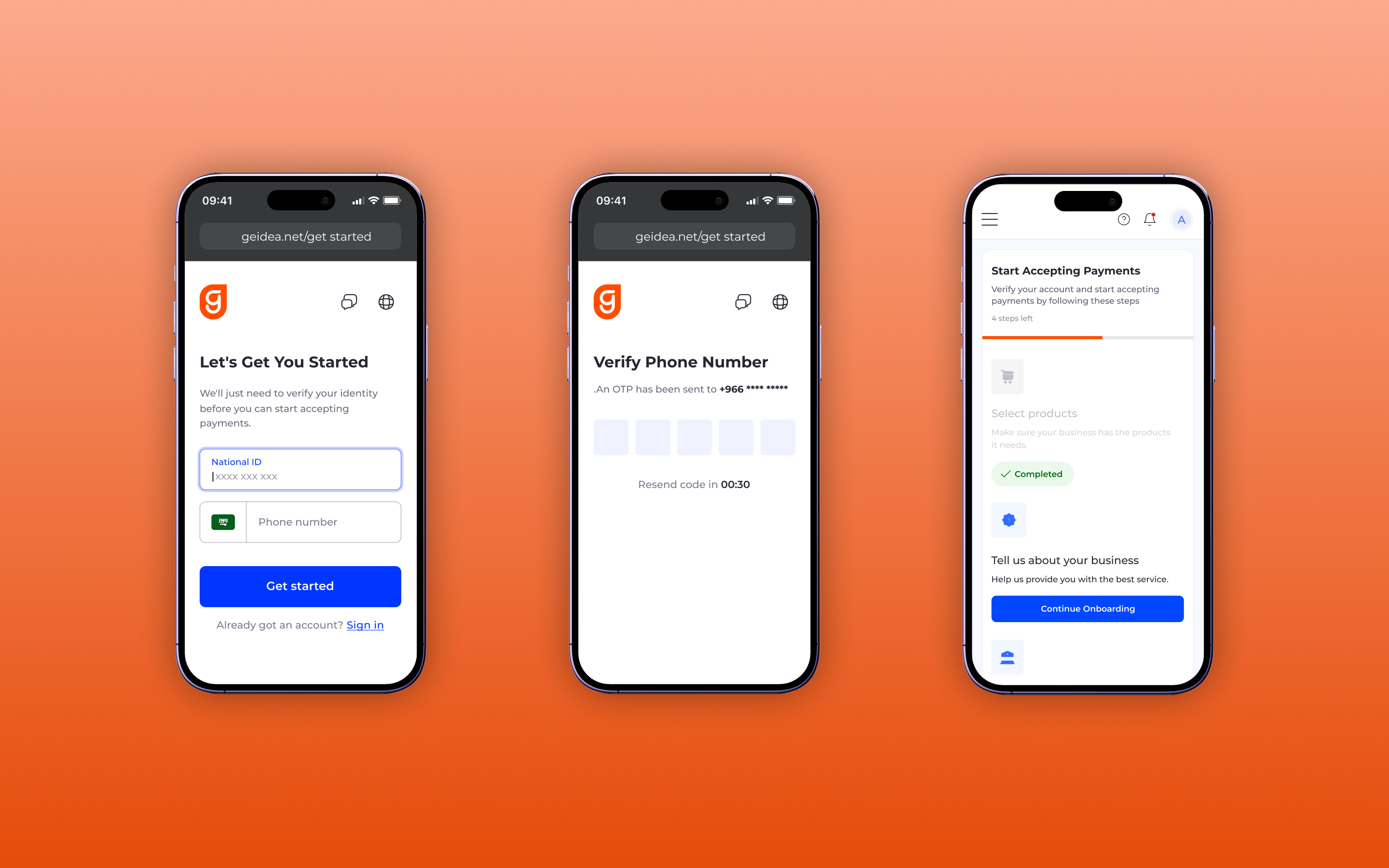
I delivered a mobile-first web experience that eliminates App Store friction, using an intent-driven layout that prioritizes onboarding completion over desktop complexity.
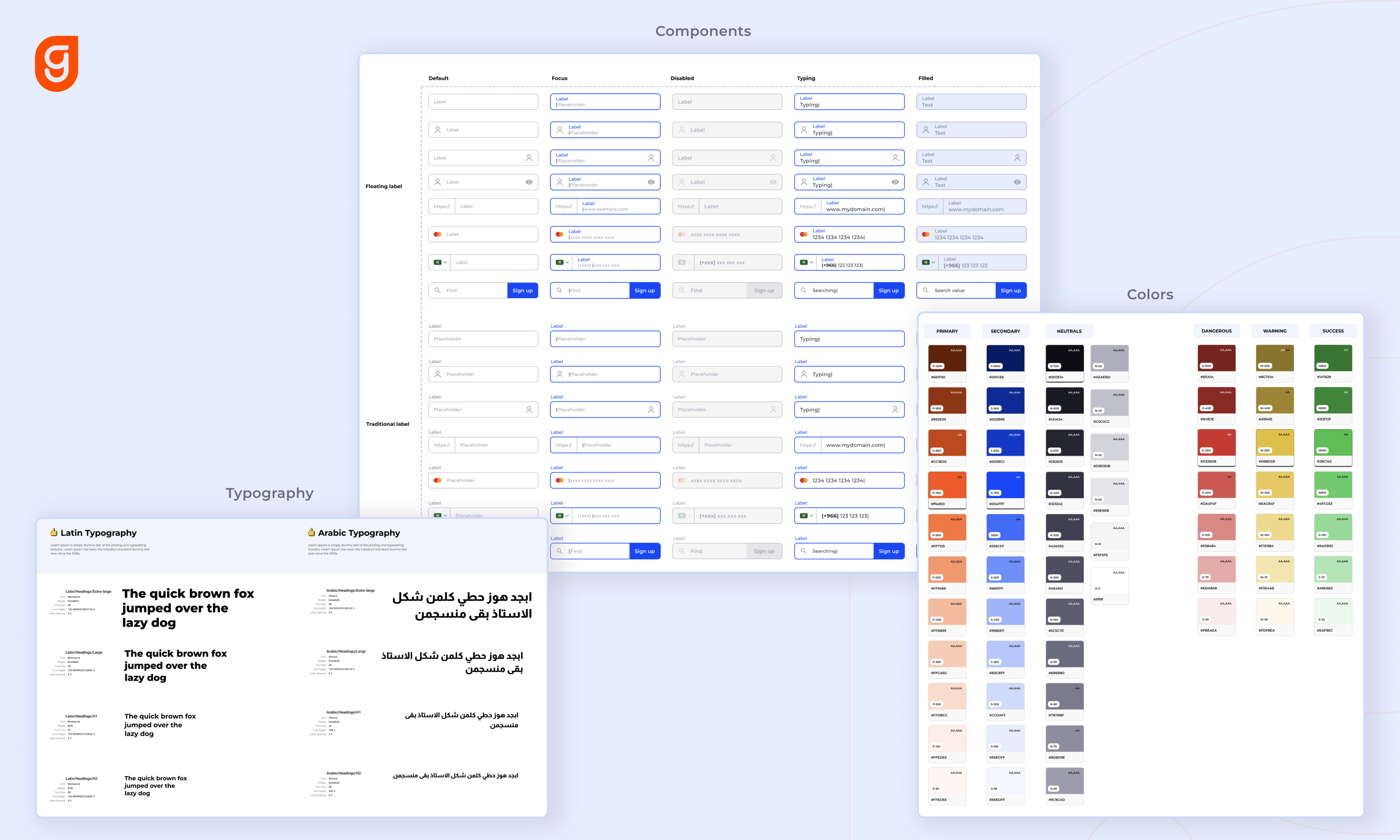
Scalable Infrastructure & Bilingual Governance
We started by building a bilingual design system that ensured a consistent Arabic and English experience across Geidea’s POS, mobile, and web platforms.
What Changed
Fewer users droppoffs before completing onboarding.
Faster time for merchants to receive their first payment
Reduction in support tickets